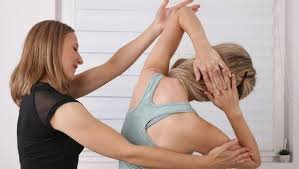

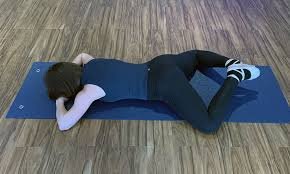
Dancers often face tight hips, limited range of motion, and discomfort from repetitive movements, jumps, and turns. In-home dancer’s hip flexibility programs focus on improving mobility, reducing stiffness, and strengthening supporting muscles to enhance performance and prevent injury. Early attention to hip flexibility promotes smooth movement, better alignment, and long-term joint health.
For expert guidance and structured at-home routines, explore 출장 for professional resources.
Understanding Hip Flexibility in Dancers
The hips are central to most dance movements, supporting rotations, leaps, and extensions. Limited hip mobility can cause:
-
Pain or tightness in the hip or groin
-
Reduced range of motion for turns or extensions
-
Compensatory movements affecting knees, lower back, or pelvis
-
Fatigue during practice or performance
Targeted flexibility and mobility exercises maintain joint health, prevent overuse injuries, and optimize dance performance.
Causes and Risk Factors
Hip tightness and reduced mobility can result from:
-
Repetitive dance movements stressing hip flexors and surrounding muscles
-
Prolonged sitting or poor posture off the dance floor
-
Weak gluteal and core muscles
-
Insufficient warm-up or stretching routines
-
Previous injuries affecting the hip or pelvis
Dancers with higher training intensity or limited recovery time are more prone to hip stiffness.
Licensed Mobility Specialist Approach
Professional in-home programs focus on stretching, strengthening, and mobility drills. Licensed strategies may include:
1. Activity Modification
-
Adjust dance routines to avoid overstressing tight hip muscles
-
Substitute with low-impact mobility exercises when necessary
-
Gradually reintroduce high-intensity jumps or extensions
2. Stretching and Flexibility
Consistent, targeted stretching improves hip range of motion:
-
Hip flexor lunges and dynamic stretches
-
Pigeon pose and seated hip rotations
-
Butterfly and figure-four stretches
-
Controlled leg swings and turnout exercises
Stretching should be gentle and gradual to prevent strain or injury.
3. Strengthening Supporting Muscles
Strong hip, glute, and core muscles stabilize the joint and enhance flexibility:
-
Glute bridges and clam shells
-
Side-lying leg lifts
-
Core engagement exercises for pelvic control
-
Resistance band hip abduction and external rotation exercises
Strengthening promotes proper alignment and reduces compensatory stress on knees and lower back.
4. Dynamic Mobility Drills
Dynamic exercises improve functional range of motion:
-
Controlled leg swings in multiple planes
-
Hip circles and internal/external rotation drills
-
Step-through lunges with torso rotation
These movements simulate dance actions while maintaining safety and control.
5. Gradual Integration into Dance
Progressive reintroduction of full dance routines ensures safe recovery:
-
Begin with modified movements focusing on controlled hip mobility
-
Gradually increase intensity, extensions, and rotation
-
Resume full choreography only when pain-free and flexible
Monitoring fatigue and joint sensation prevents overuse injuries.
Supportive Equipment
Using simple tools enhances in-home mobility sessions:
-
Yoga blocks or straps for assisted stretching
-
Resistance bands for strengthening and mobility
-
Foam rollers for myofascial release and tension reduction
Proper use ensures safe, effective exercises for long-term hip health.
Nutrition and Recovery
Supporting recovery with proper nutrition enhances flexibility and joint health:
-
Protein for muscle repair
-
Anti-inflammatory foods to reduce joint stiffness
-
Hydration to maintain soft tissue elasticity
-
Vitamins and minerals such as magnesium for muscle relaxation
Monitoring and Professional Oversight
Licensed specialists track progress and adjust exercises to prevent strain and optimize outcomes. Persistent tightness, discomfort, or reduced range of motion should prompt professional evaluation.
For structured routines and step-by-step guidance, 출장 offers professional resources for dancer’s hip flexibility and mobility improvement.
Preventing Future Hip Stiffness
Long-term strategies include:
-
Consistent stretching and mobility exercises
-
Strengthening glutes, core, and hip stabilizers
-
Gradual increases in dance intensity and complexity
-
Proper warm-up and cool-down routines
-
Avoiding prolonged static sitting without movement
Maintaining flexibility and strength reduces recurrence of stiffness and supports optimal dance performance.
Final Thoughts
In-home dancer’s hip flexibility programs focus on mobility, muscle balance, and safe movement integration. Combining professional guidance with consistent home exercises ensures improved performance, injury prevention, and long-term hip health.
For expert exercises, mobility routines, and professional advice, visit 출장 to access resources for dancer’s hip care and flexibility enhancement.