
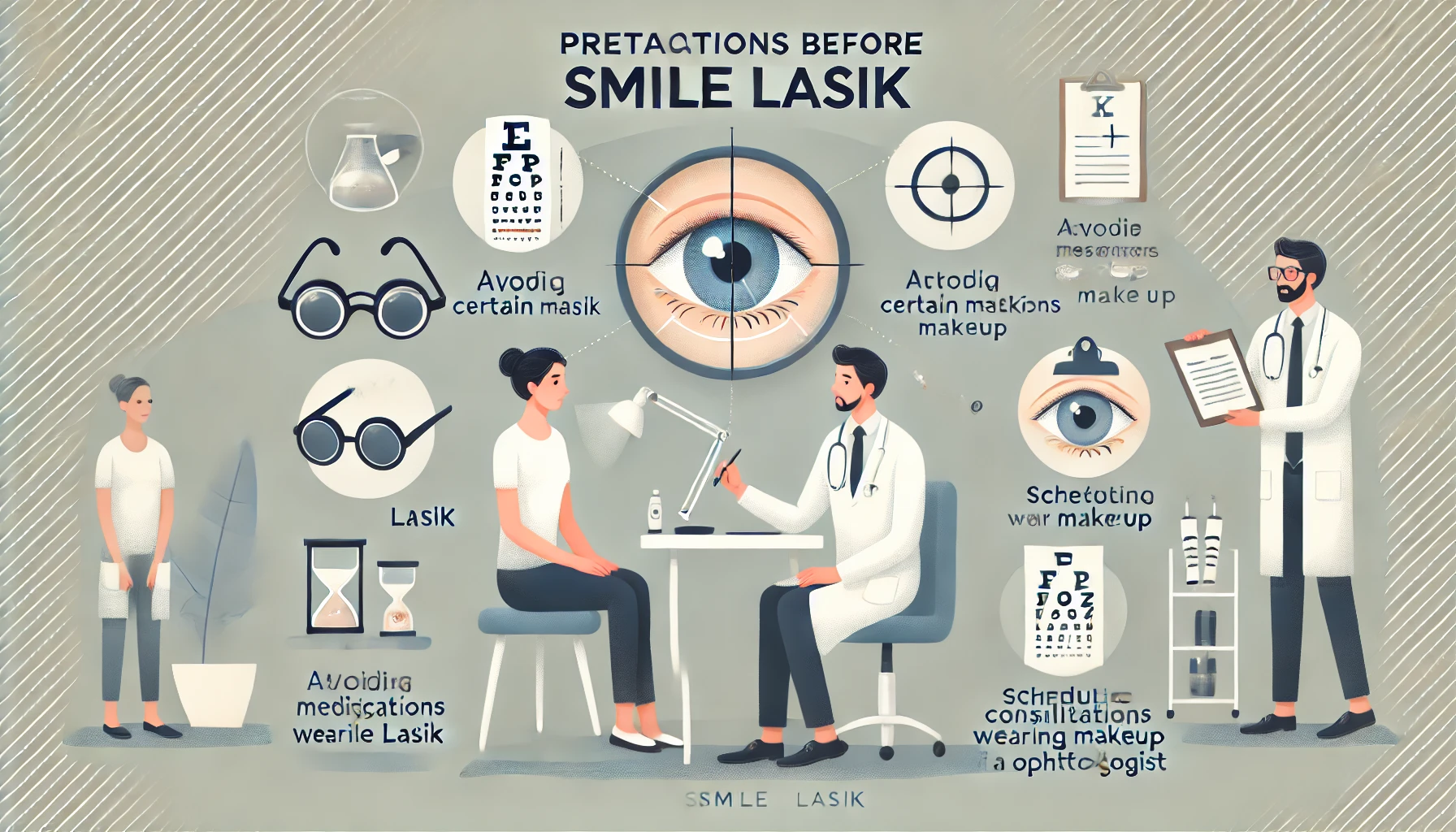
SMILE LASIK has become one of the leading choices for vision correction surgeries due to its minimal invasiveness, quick recovery time, and ability to correct a wide range of refractive errors, including nearsightedness, farsightedness, and astigmatism. However, like all surgeries, it’s important to be fully informed about the costs associated with SMILE LASIK snu 안과 스마일라식 비용 and what to do if complications, such as astigmatism, arise after surgery.
Understanding SMILE LASIK Surgery
SMILE LASIK (Small Incision Lenticule Extraction) is a revolutionary procedure that uses a laser to reshape the cornea, addressing refractive errors that impact vision clarity. Unlike traditional LASIK, which involves creating a large corneal flap, SMILE LASIK uses a smaller incision, reducing the risk of complications and promoting a faster healing process. The technique has gained popularity for its precision and ability to address common refractive errors without the need for a large incision.
Astigmatism, a condition where the cornea has an irregular shape, is one of the most common issues that SMILE LASIK can correct. However, in some cases, astigmatism can persist or even develop after surgery, leaving patients concerned about their results.
How Much Does SMILE LASIK Cost?
The cost of SMILE LASIK varies depending on several factors. In South Korea, especially in high-demand areas like Gangnam, prices for SMILE LASIK typically range from 2.0 million to 2.5 million Korean won (about $1,600 to $2,000 USD) per eye. Factors influencing the cost include the clinic’s location, the experience of the surgeon, and the technology used during the procedure.
At S&U Eye Clinic, patients can expect to receive a detailed consultation where the surgeon evaluates their unique eye condition and recommends the best course of action. This personalized approach ensures that the patient receives the best care, although it may affect the price of the surgery.
The cost typically covers the pre-surgery consultation, the surgery itself, and follow-up visits. However, additional costs may be incurred for post-surgery treatments, medication, or the use of advanced technology such as wavefront-guided lasers for customized treatments.
What to Do If You Experience Astigmatism After SMILE LASIK
Although SMILE LASIK is designed to correct astigmatism, some patients may experience residual astigmatism after the procedure. This can occur for a variety of reasons, including the healing process or variations in the corneal tissue. In some cases, astigmatism may develop as a result of under-correction or over-correction during the surgery.
If you experience astigmatism after SMILE LASIK, it’s important to follow these steps:
- Consult Your Surgeon: If you notice any blurriness, double vision, or difficulty focusing, contact your surgeon immediately. An eye examination will help determine whether the astigmatism is a result of the surgery or if another condition is contributing to the issue.
- Follow-Up Treatment: In some cases, a follow-up treatment such as an enhancement surgery may be necessary to fine-tune the results and correct any remaining refractive error. Your surgeon will discuss whether this is appropriate for your case.
- Manage Expectations: It’s important to have realistic expectations following SMILE LASIK. While the procedure is highly effective for most people, results can vary based on individual eye characteristics. Keep in mind that some degree of astigmatism may be unavoidable in certain cases.
- Consider Additional Vision Correction: If astigmatism persists despite follow-up treatments, additional options such as glasses or contact lenses may be necessary. However, many patients experience significant improvements in their vision and can reduce their dependence on corrective lenses after the surgery.
Cost Variations for Astigmatism Correction After SMILE LASIK
If astigmatism persists after SMILE LASIK, additional treatments may be required. The cost of follow-up treatments or enhancements can vary depending on the clinic and the technology used. Some clinics may offer a discounted price for follow-up procedures, while others may charge separately for enhancements.
In Gangnam, clinics like S&U Eye Clinic typically offer a range of options for patients who need additional correction after SMILE LASIK. It’s important to discuss the costs and options for astigmatism correction during your initial consultation.
Conclusion
SMILE LASIK offers a highly effective and minimally invasive solution for vision correction. While the procedure is known for its precision and rapid recovery time, it’s important to be aware of the costs involved and the possibility of astigmatism after surgery. Understanding these aspects ensures that patients can make informed decisions about their vision care.
For more information on SMILE LASIK, including costs and what to do if you experience complications, visit S&U Eye Clinic.